
Tree Removal & Care
30 Tree Removal and Care Guides
Tree damage cleanup is less about speed than sequence. Find stump removal methods and regrowth risks, equipment limits, and care for stressed or leaning trees.
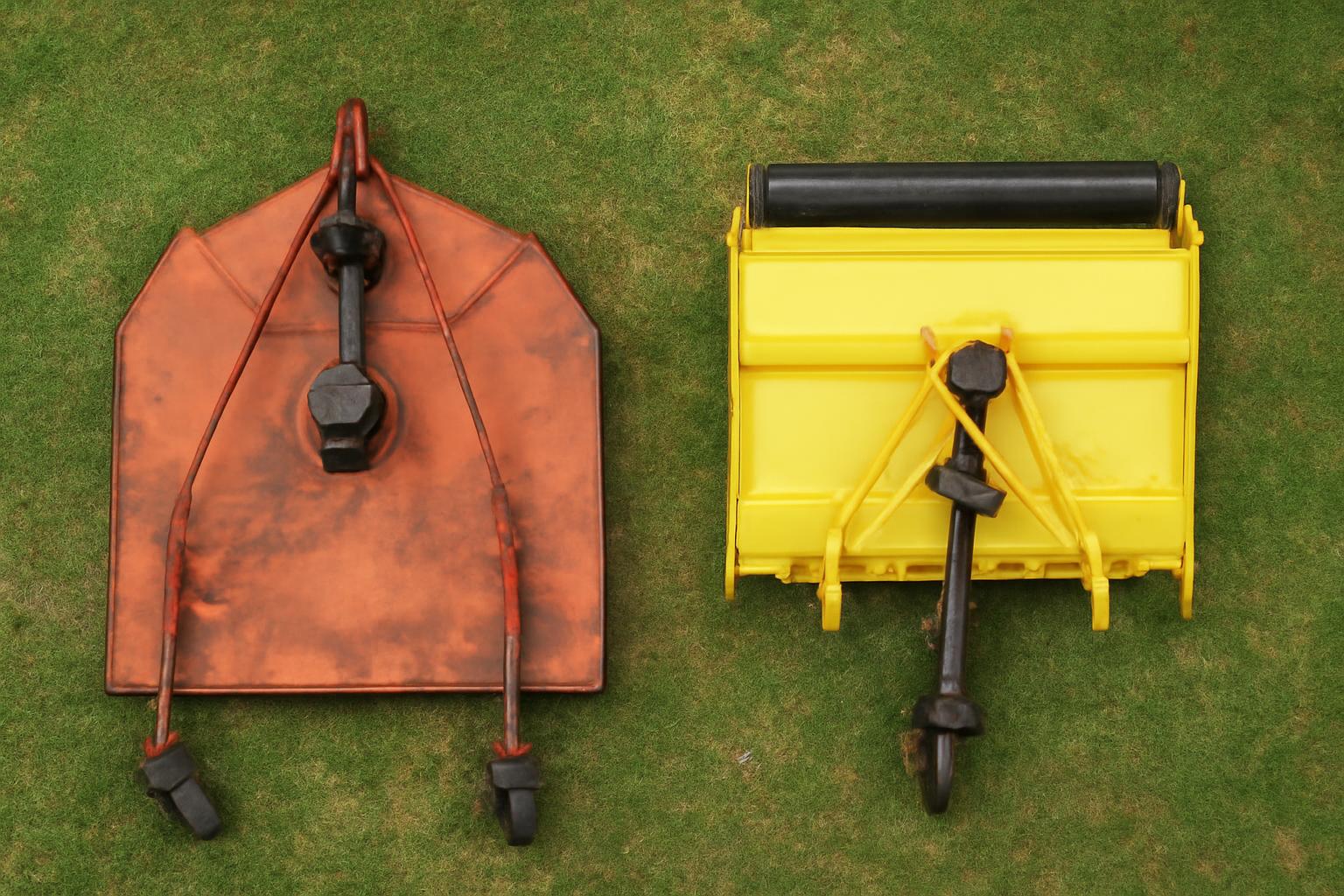
Brush Hog vs Flail Mower: Job, Ground and Upkeep
Properties with both rough reclamation and later maintenance may call for both at different stages rather than forcing one mower to do every job.
Read Guide
Trees Can Recover From Heat Stress: Signs and Timelines
After about four weeks of correct watering and properly maintained mulch, no stabilization or spreading decline is a practical point to call an arborist.
Read Guide
Cord of Wood Cost: What Raises or Lowers It
A full cord runs $150–$500. "Truckload" alone is not enough to compare prices. Exact volume, species, dryness, delivery and stacking shape the quote.
Read Guide
Know What Forestry Mulching Clears and Leaves
It shreds above-ground vegetation and may reduce stump material near the surface, but usually leaves roots and much of the stump system in place.
Read Guide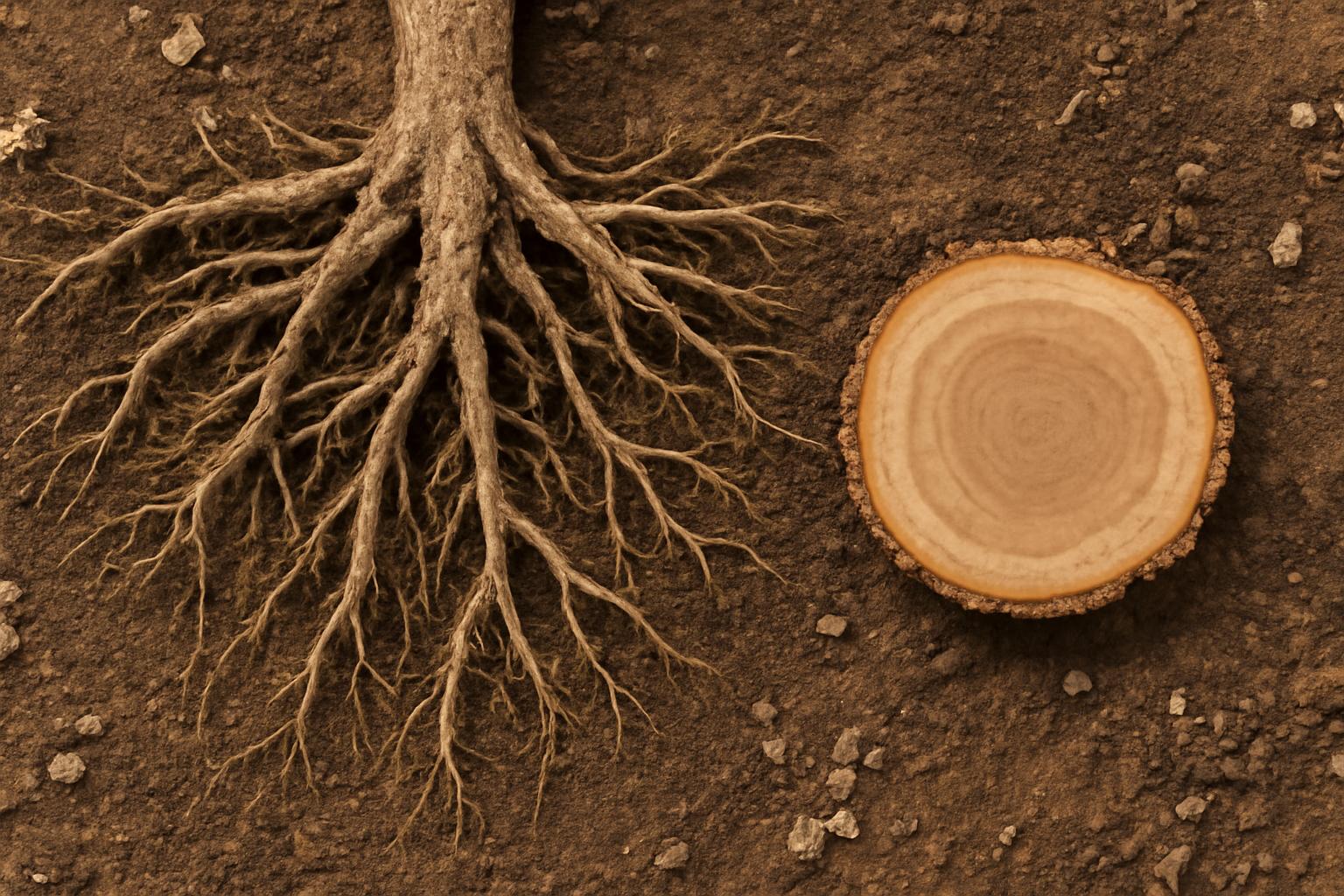
Oregon White Oak Roots Change With Age and Soil
On the studied glacial-outwash soil, most roots stayed in the upper layer, though some small roots reached beyond 150 cm where summer moisture remained.
Read Guide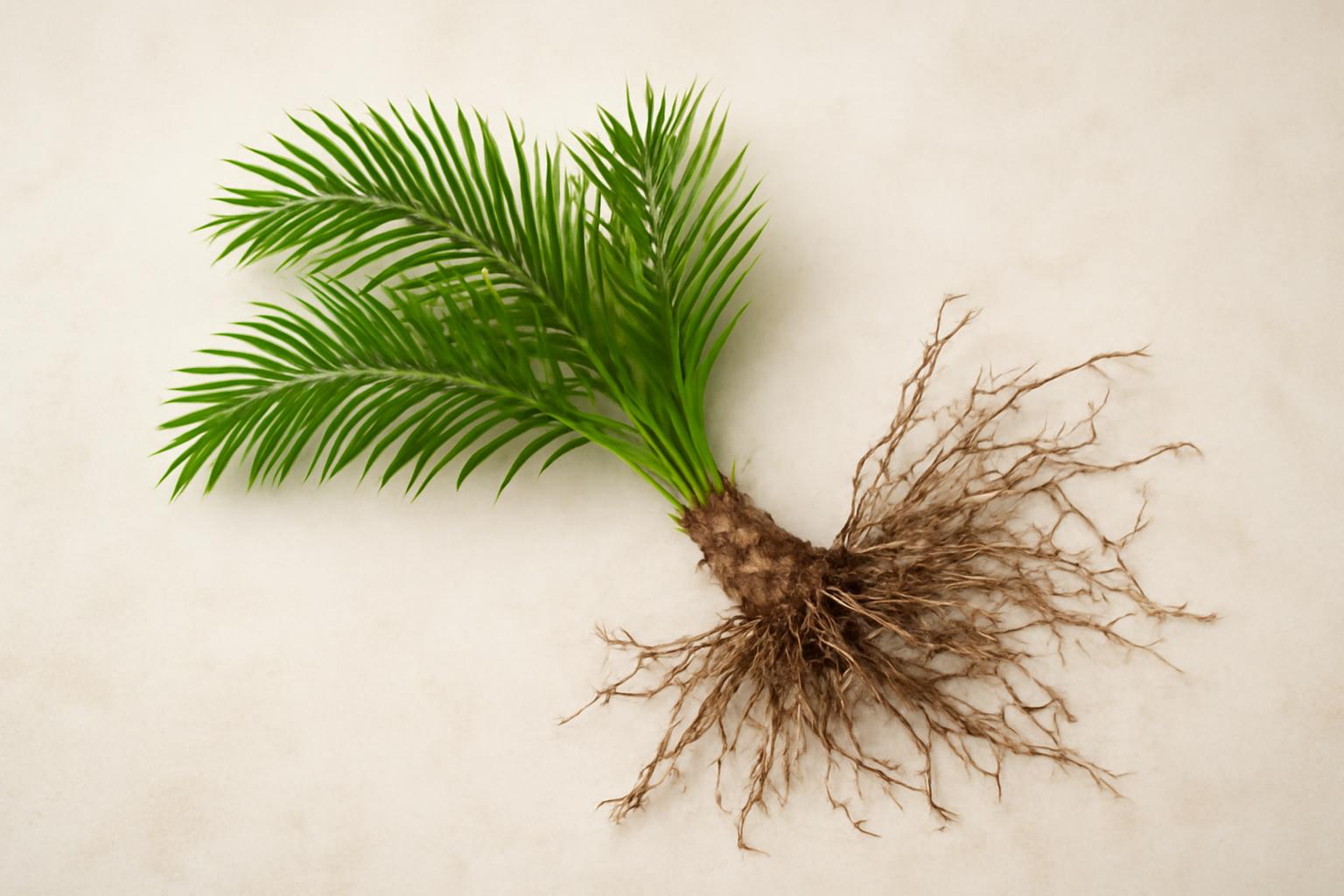
How Palm Tree Roots Grow: Structure, Depth and Spread
In research on many species, a root ball about 12 inches in radius and depth captured over half the roots. Established landscape roots can spread much farther.
Read Guide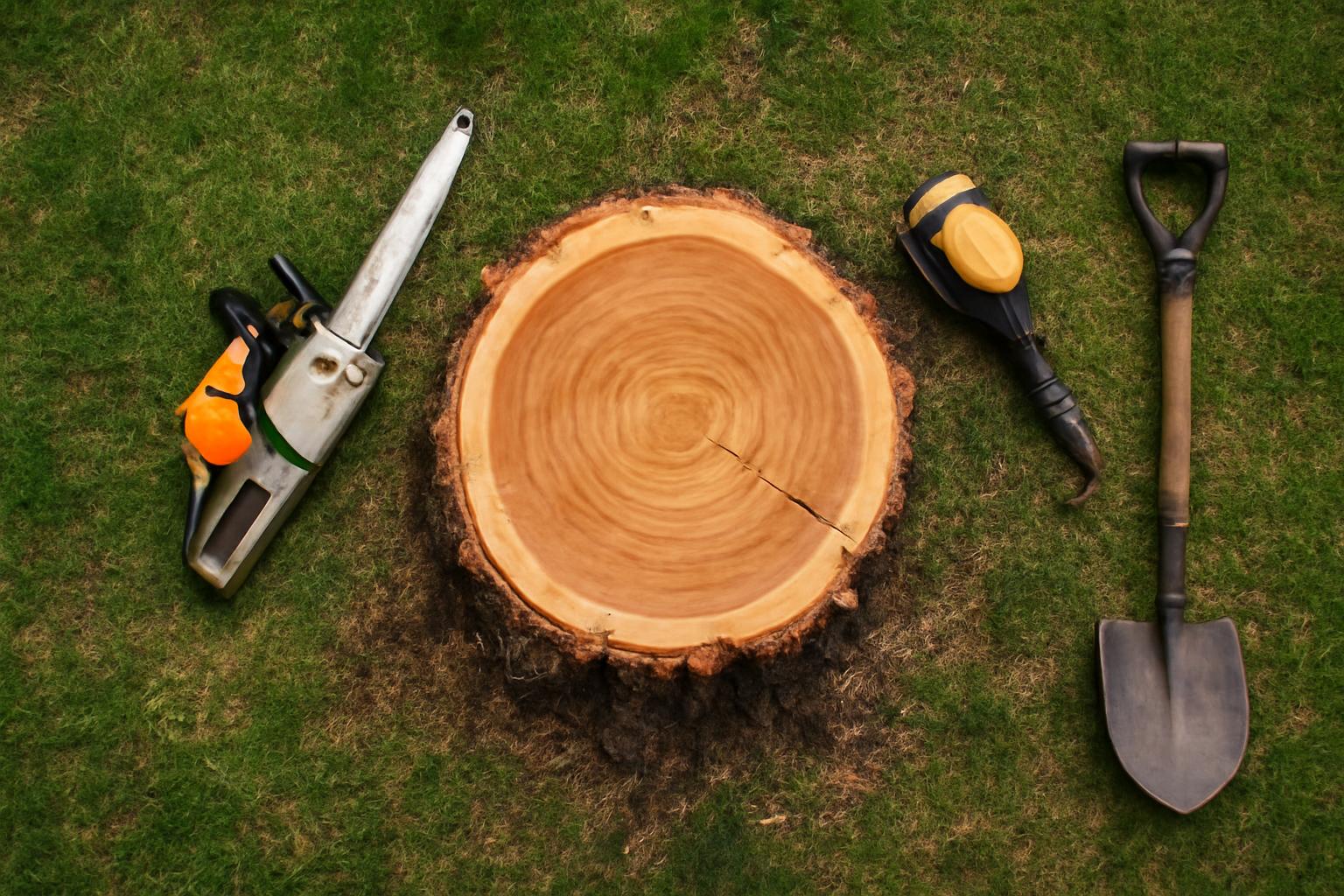
Parota Wood Properties, Regrowth and Removal
One accessible-stump comparison put a $300 grinder rental against a $600 contractor quote. The cheaper choice changes when root control matters.
Read Guide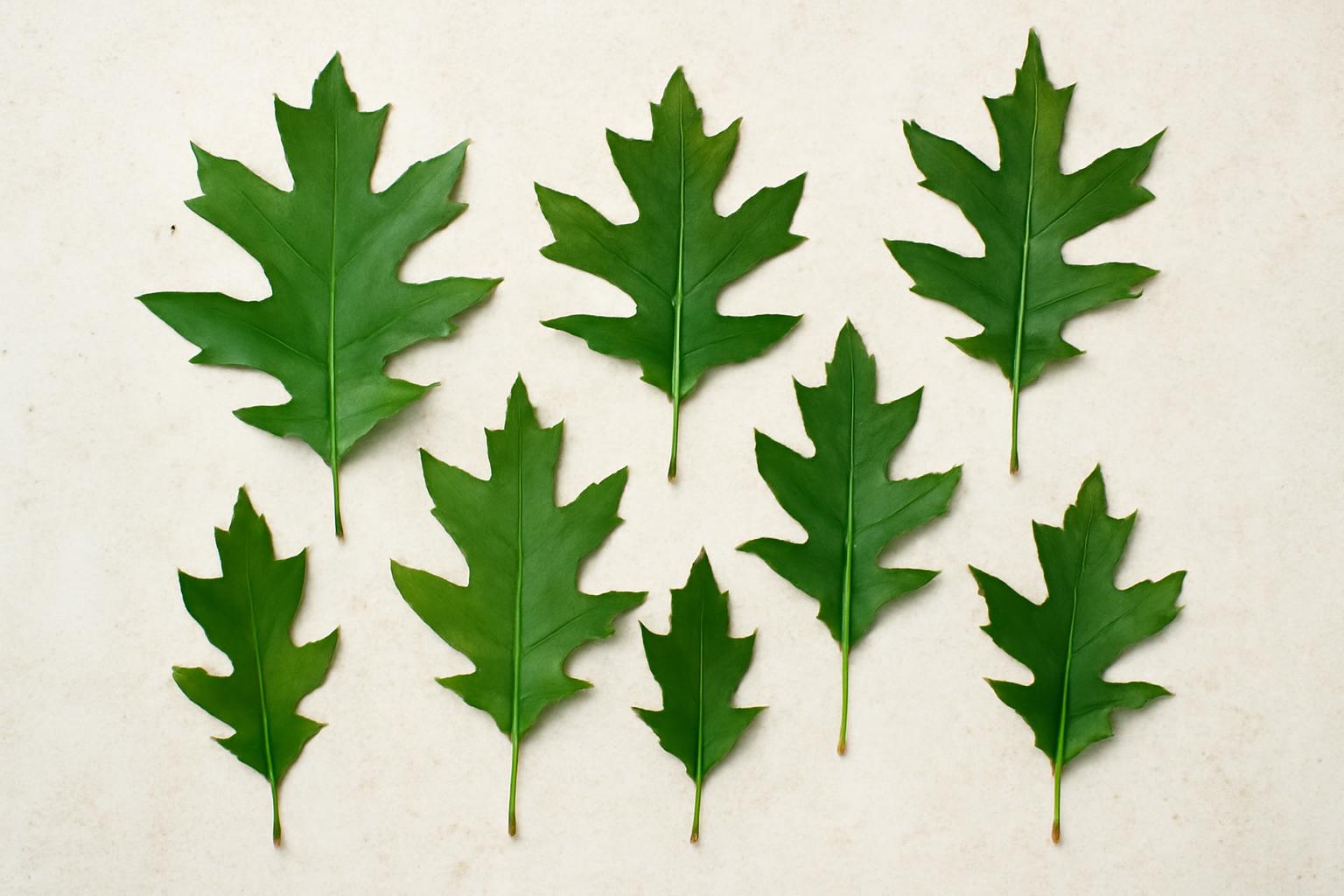
How to Identify Water Oak Leaves When Shapes Vary
Check several leaves rather than one perfect specimen. Despite variable shapes, the set should share a broad-near-the-tip, narrow-at-the-base form.
Read Guide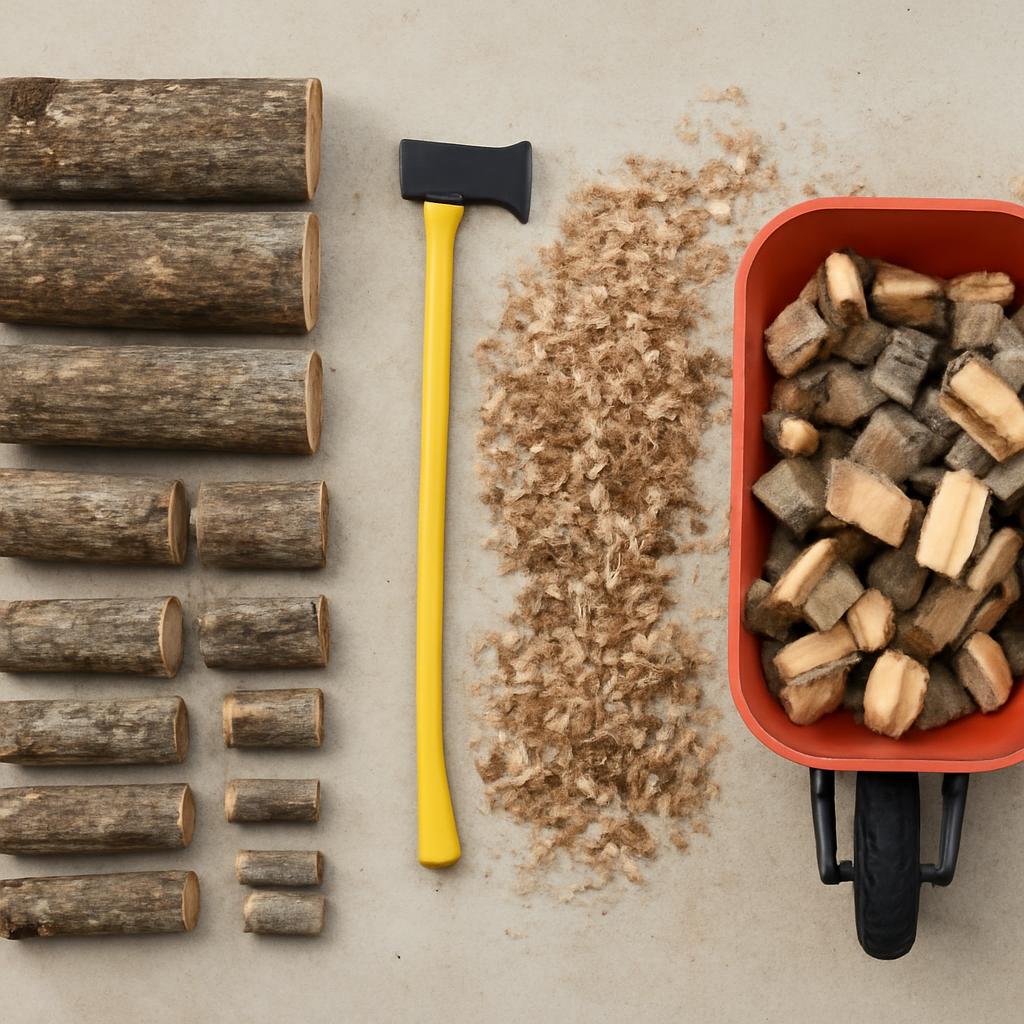
How to Get Rid of Logs: 5 Options by Pile Size
Municipal pickup and free takers suit manageable pieces. Oversized rounds push the job toward equipment, while movement rules limit legal destinations.
Read Guide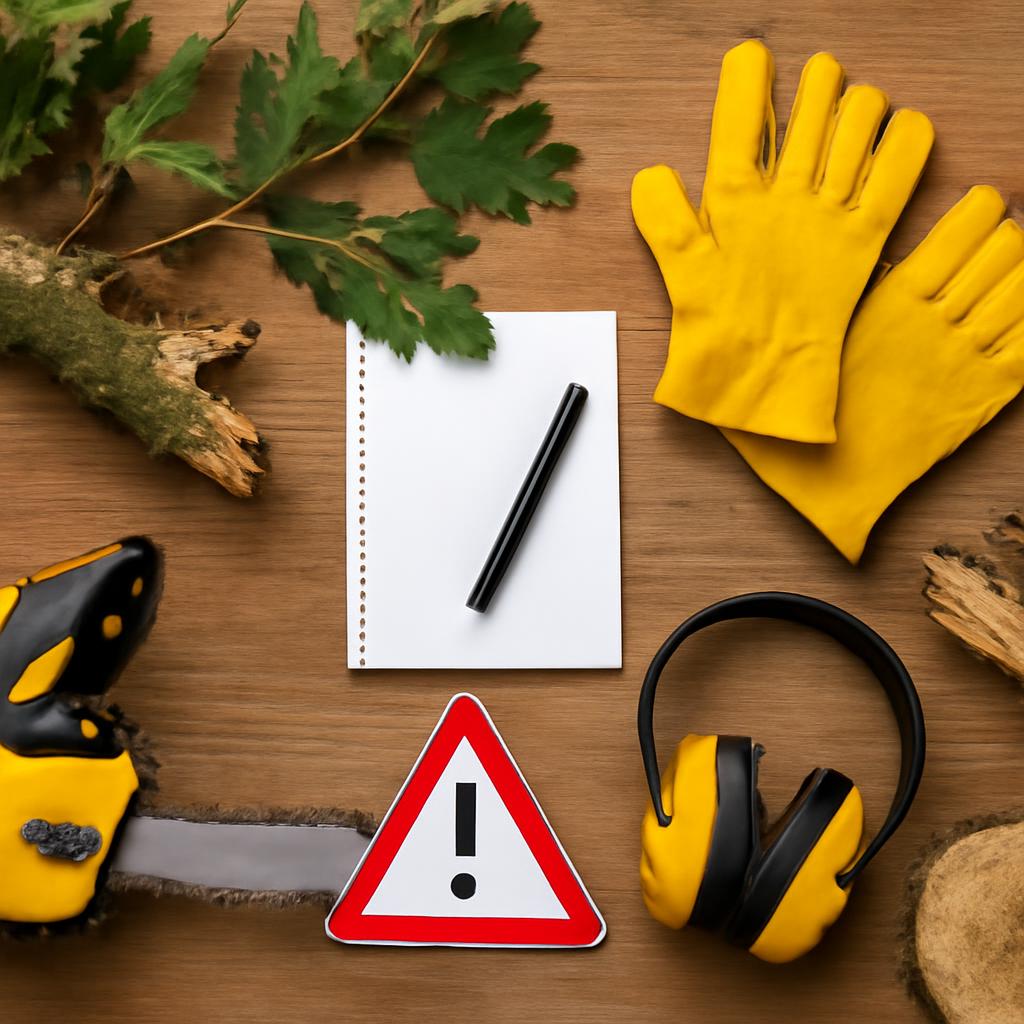
How to Handle Tree Damage Cleanup: DIY Limits
After storm damage, DIY branch cleanup is limited to branches under 2 inches in diameter that are reachable from the ground without a ladder.
Read Guide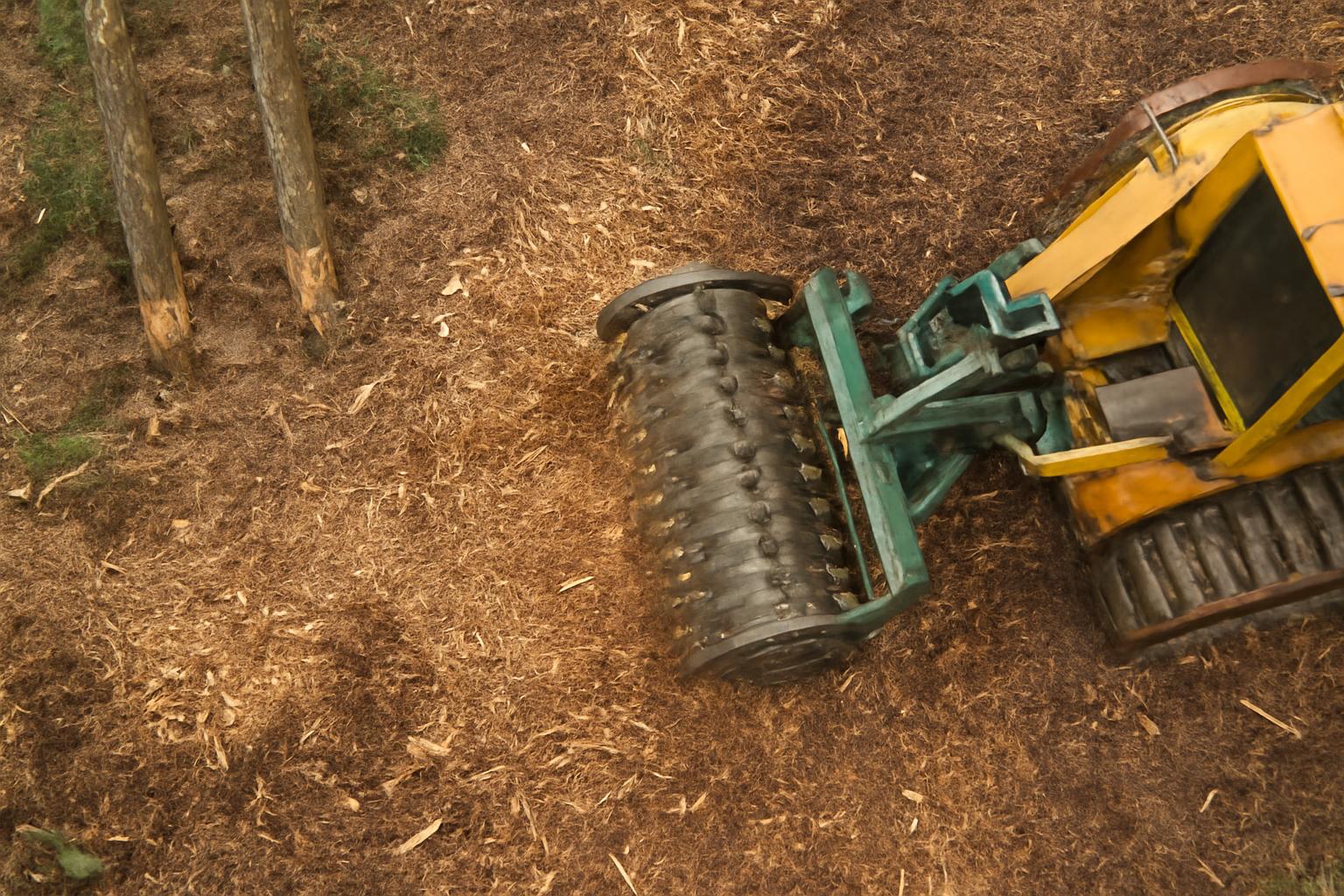
Is a Drum Mulcher Right for Your Clearing Job?
It suits jobs needing a finer finish and better debris control. Before buying, match the exact model to your carrier's hydraulic flow, pressure and capacity.
Read Guide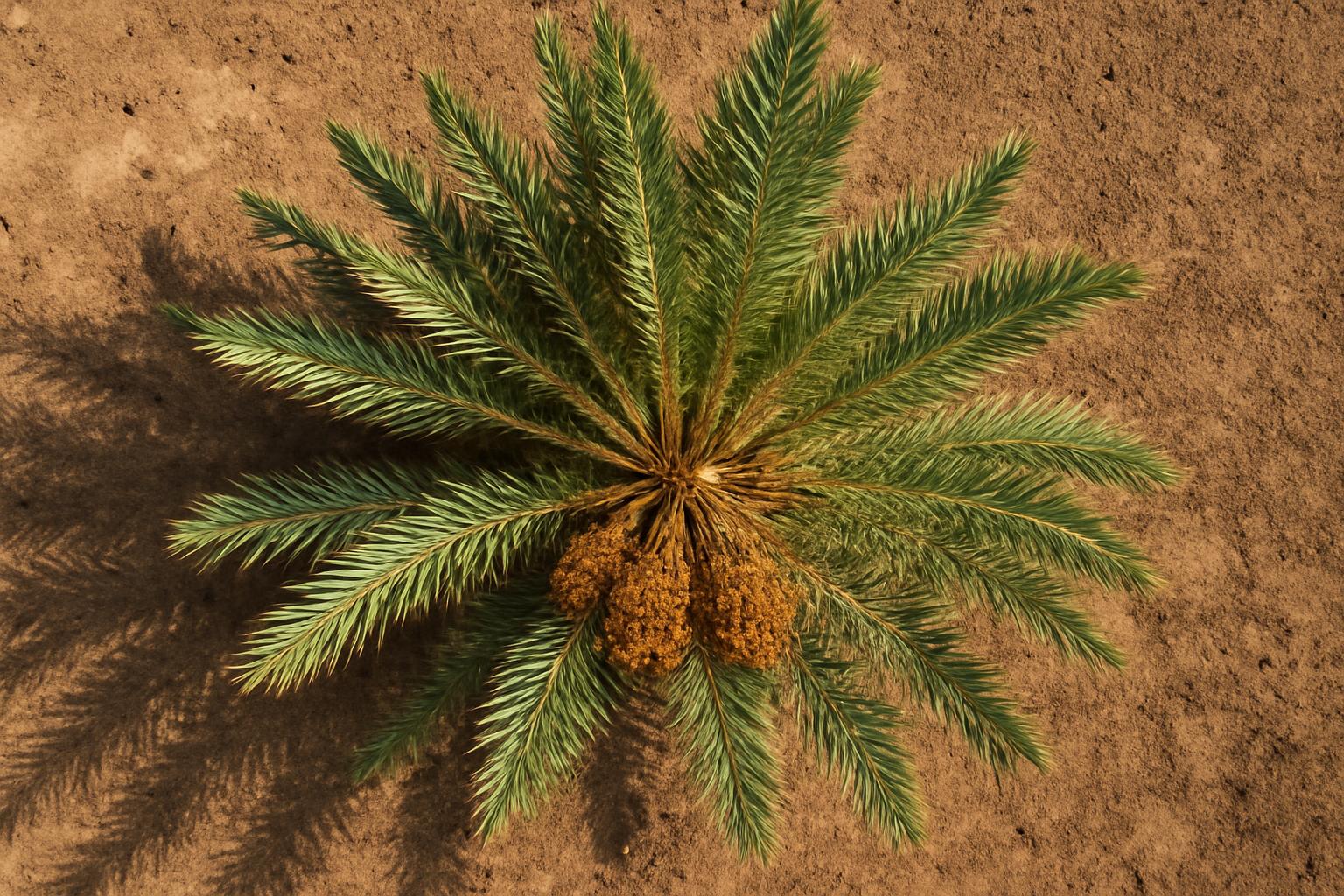
Medjool Date Palm Tree: Ornamental vs Fruiting Needs
Only about 50% of palms grown from seed will be female and therefore fruit-bearing. Dates from seedlings are often smaller and poorer quality.
Read Guide
Mule Palm Tree Suitability Depends on Site
Established mule palms may withstand 14°F, but frond damage can occur. Cold survival does not guarantee an untouched canopy.
Read Guide
All-in-One Almond Tree Needs Heat and Drainage
One nursery listing puts first bearing at 2 to 3 years after planting, with soft-shelled sweet nuts ripening from late September into October.
Read Guide
East Indian Mango Tree: Trade-Offs
Best for warm-climate growers who value intense, juice-friendly mango flavor, have room for a non-dwarf tree, accept pruning and assess local disease pressure.
Read Guide
Gleditsia triac. 'Skyline' Needs Room to Mature
As Skyline's crown matures, ascending limbs extend outward and the top can become broader, rounded, or comparatively flat.
Read Guide
What to Expect From Gleditsia triacanthos Skyline
Plan for a substantial crown, possible surface-root conflicts with hardscape, occasional pods and maintenance that changes with regional pest pressure.
Read Guide
How Long Does Herbicide Take to Work? Timelines by Type
Some contact herbicides show visible injury within hours. Track decline and watch for regrowth because brown leaves alone do not prove root control.
Read Guide
Tree Removal Cost: Negotiate Scope, Timing and Extras
A lower written bid is real leverage only when it covers equivalent work from a contractor who meets your qualification and insurance requirements.
Read Guide
What Broad-Spectrum Herbicide Means
A contact product can brown exposed foliage while leaving a perennial's underground structures alive. Visible injury alone does not establish root control.
Read Guide
Which Crossbow Herbicide Mix Ratio Applies?
A 1-gallon batch uses 1 1/3, 2 or 5 1/3 fl oz for 1%, 1.5% or 4%. The current label's target, site and method determine which strength applies.
Read Guide
"Lescohid" Is Not a Real Herbicide: What You Actually Have
No EPA-registered herbicide carries this name. It traces to a content-farm domain registered in December 2025 — here is how to identify what you actually sprayed.
Read Guide
Is "Lescohid" Herbicide Good? No Such Product Exists
There is no herbicide by that name — the word comes from a content-farm domain. If you meant LESCO Three-Way, here is what that product actually does.
Read Guide
A Tree Leaning Toward Your House Needs 3-Level Triage
New or worsening lean, moving soil, root disturbance, cracks, splits or falling wood call for clearing the area and seeking urgent professional help.
Read Guide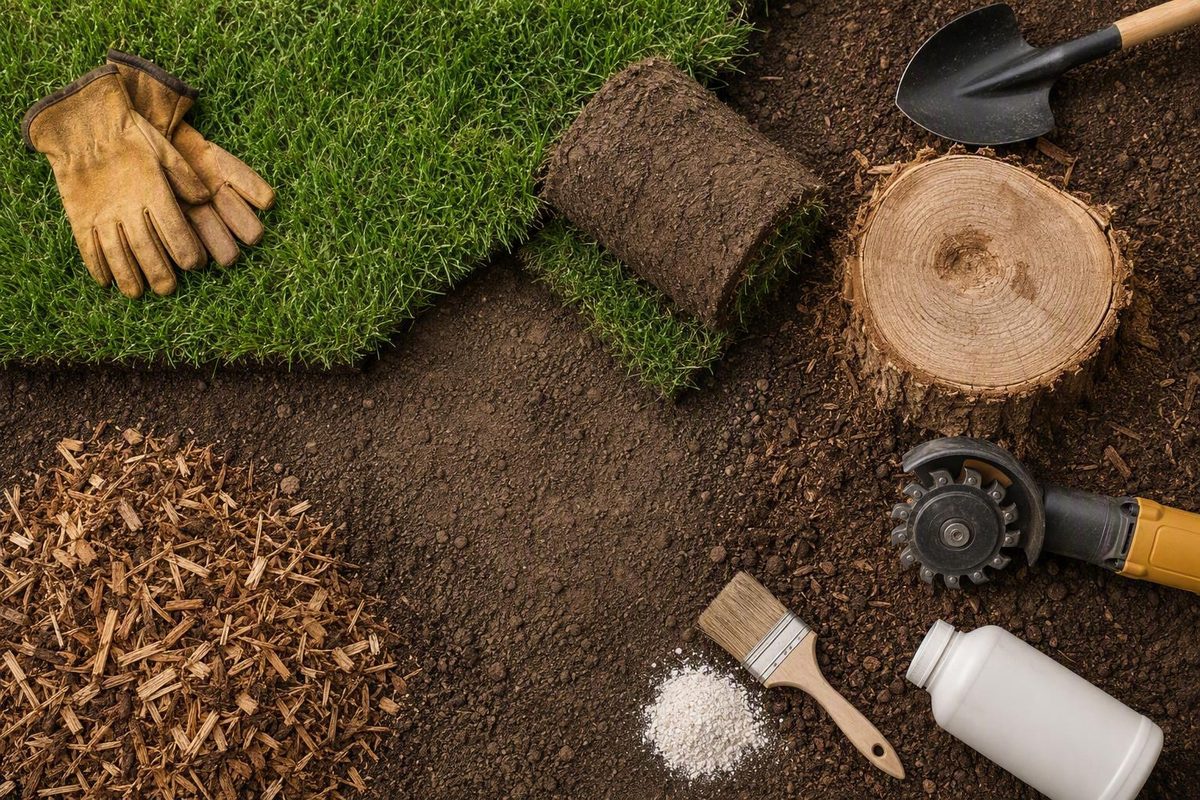
How Long Does Sod Take to Root at Each Stage?
Under suitable conditions, expect initial attachment in 10-21 days, deeper rooting in 30-45 days and stronger establishment in six to eight weeks.
Read Guide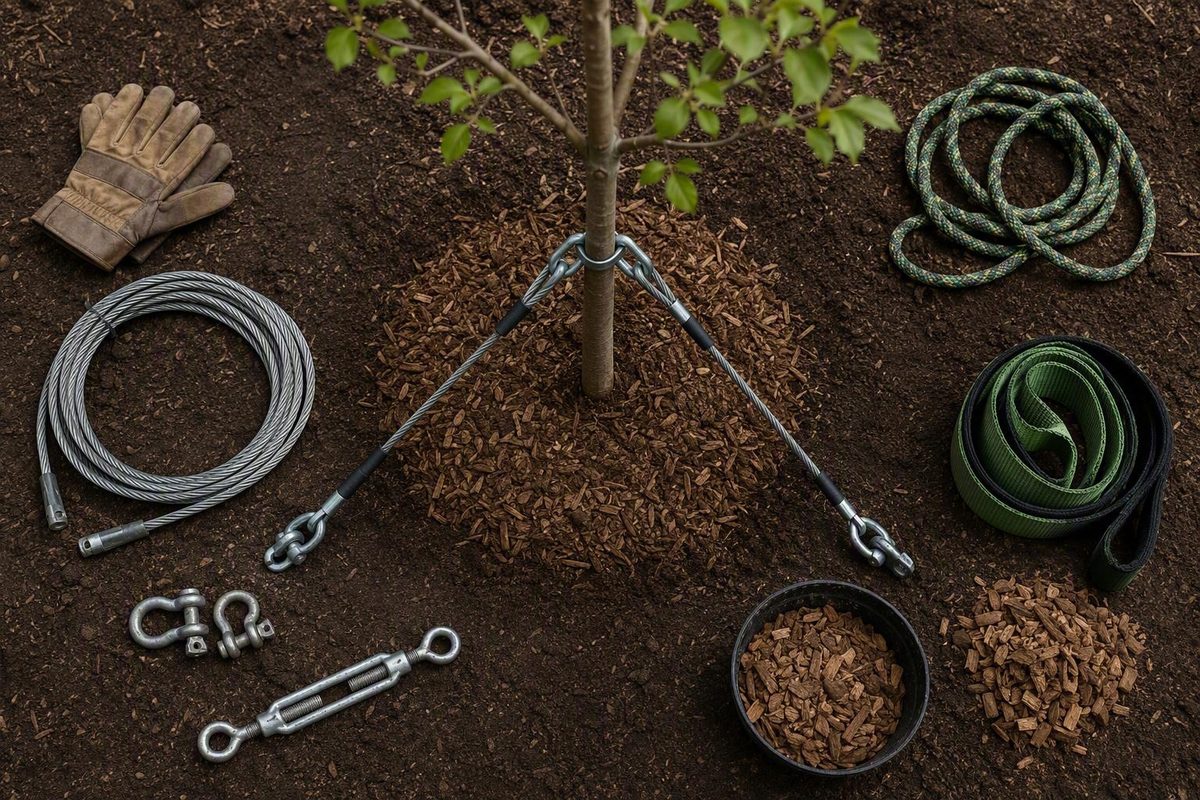
Tree Guying Choices Vary by Tree and Site
The right response may be no support, one or two stakes, three-way guying, concealed root-ball anchoring or an on-site professional assessment.
Read Guide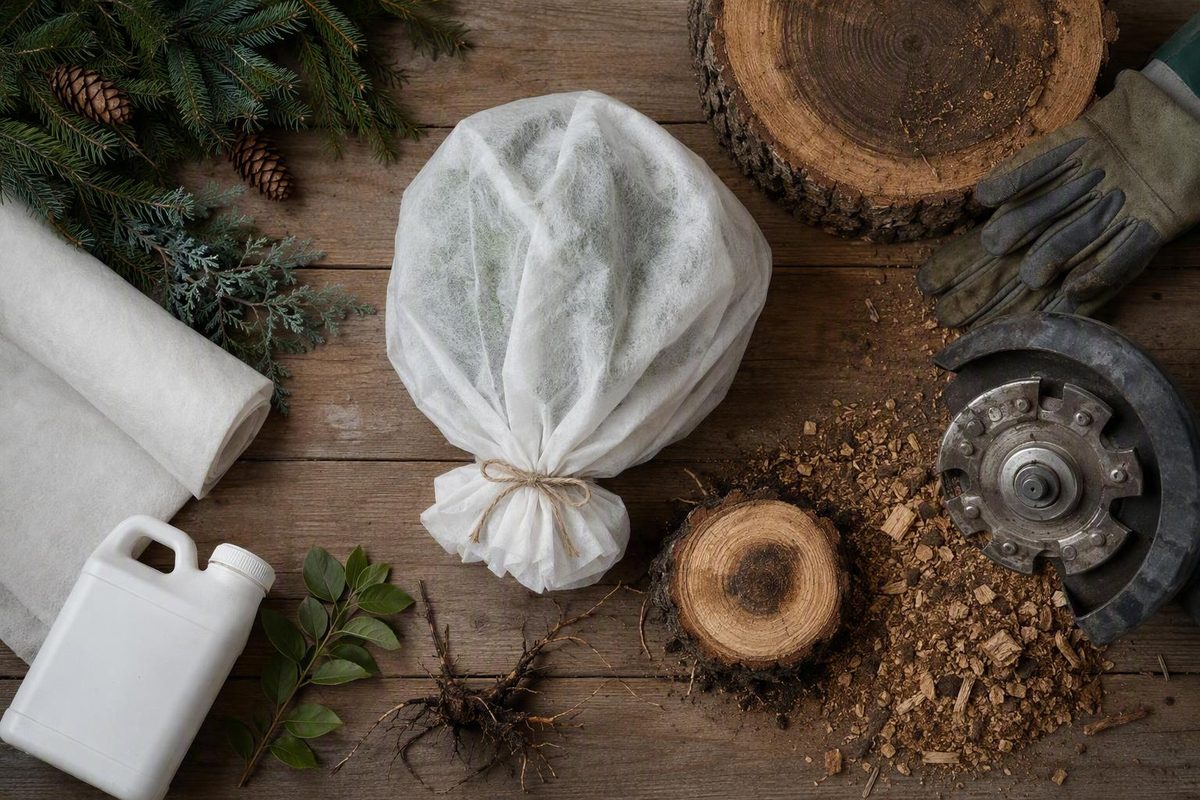
A Frost Blanket for Trees Requires the Right Fit
Protection also depends on soil warmth, fabric, wind, moisture, event duration, tree condition and whether the enclosure closes at ground level.
Read Guide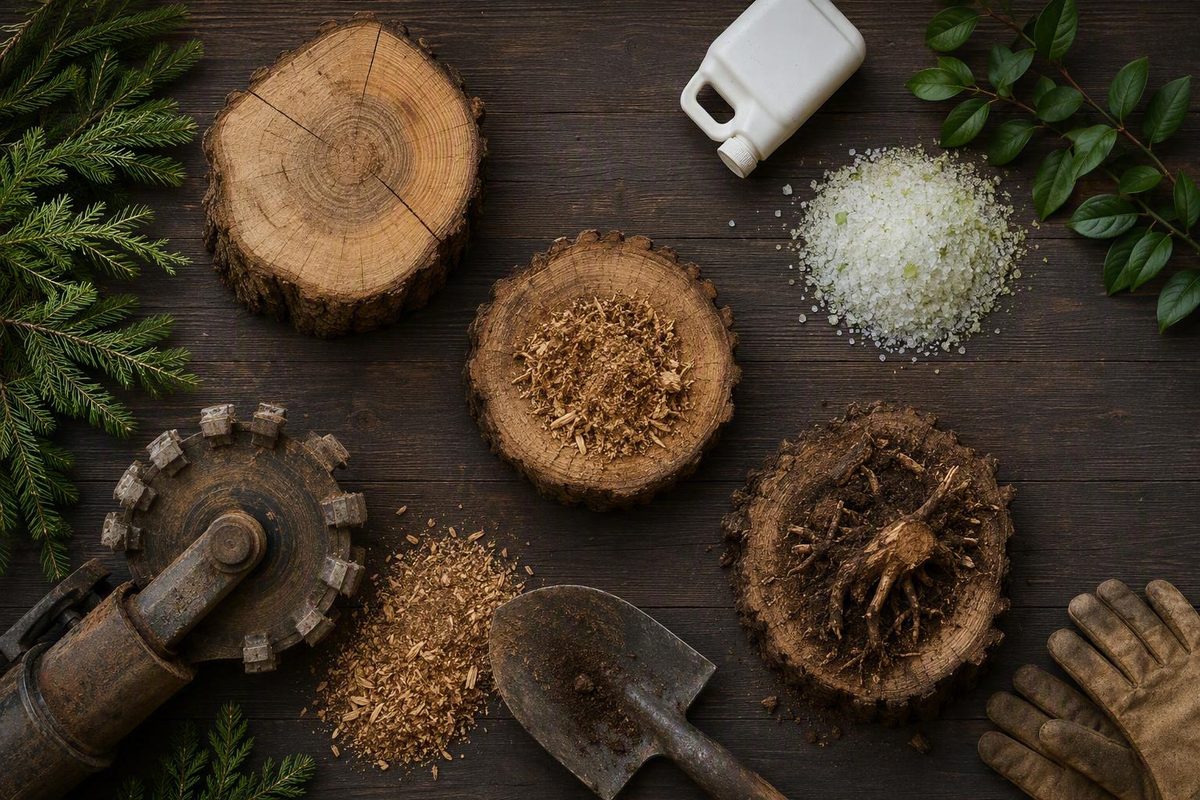
Tall and Narrow Evergreen Trees, but Widths Vary
Blue Arrow and Skyrocket Rocky Mountain junipers are the best-documented tall candidates here. The shortlist changes with width, climate, light and drainage.
Read Guide
Can a Tree Work in a Lawn? 4 Scenarios
Yes, provided the site has enough light, suitable moisture and drainage, adequate space, and a mowing pattern that does not injure the trunk or roots.
Read Guide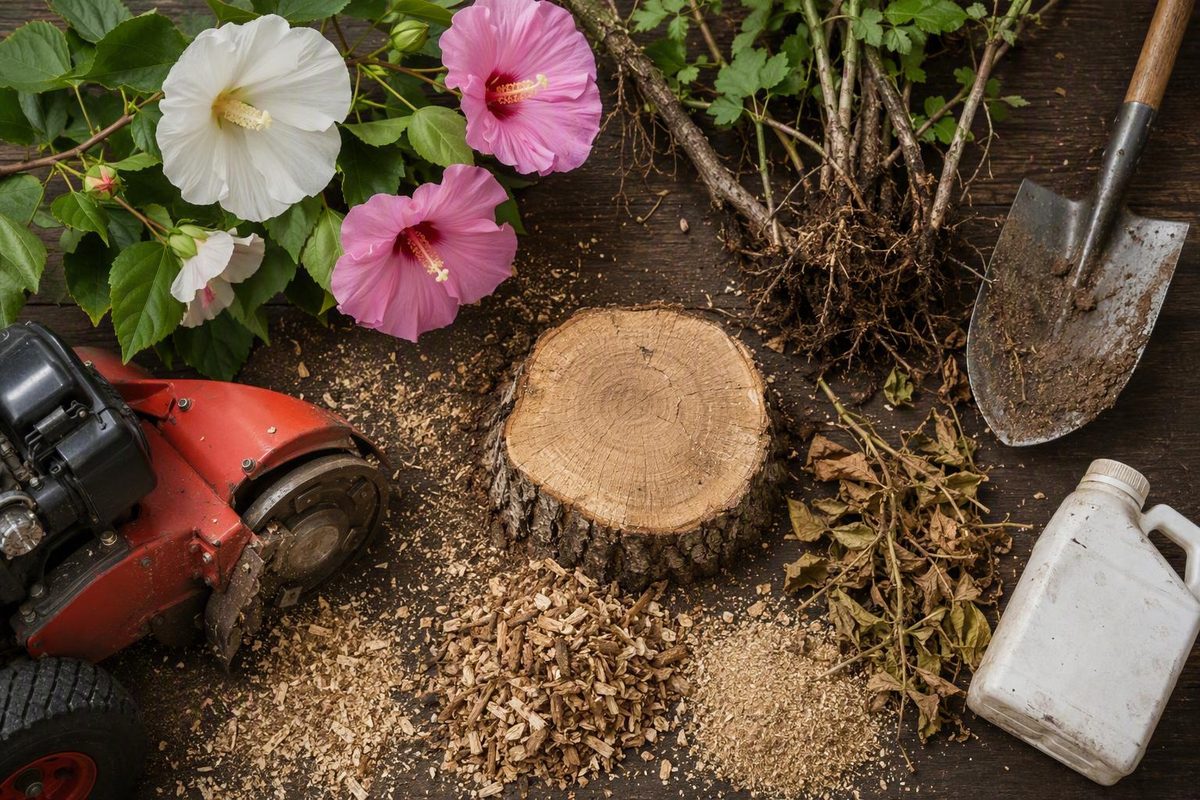
Confederate Rose Tree vs. Shrub: What Winter Changes
A Confederate rose may look tree-like after several mild winters and perennial-like after an unusually severe one.
Read Guide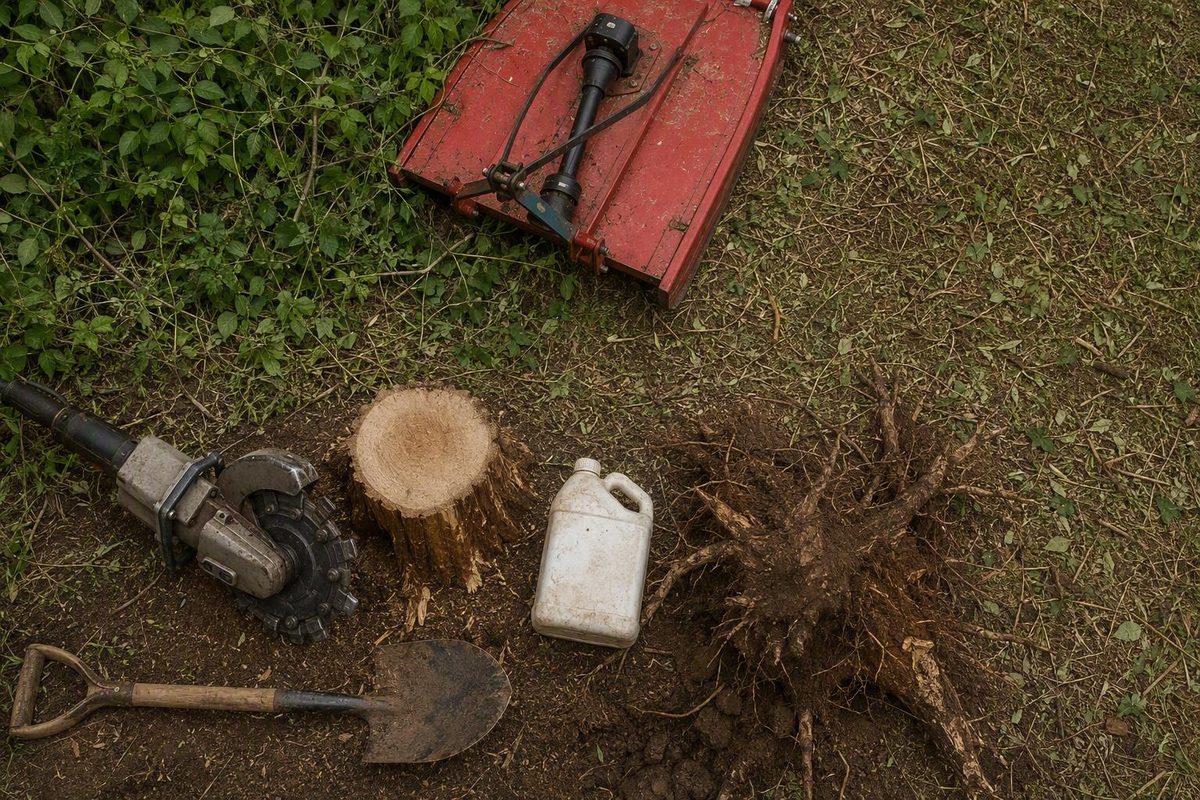
Bush Hogging Cuts Top Growth but Leaves Roots
It fits sufficiently open land when vegetation falls within the exact cutter's rating and a rough surface cut is acceptable.
Read Guide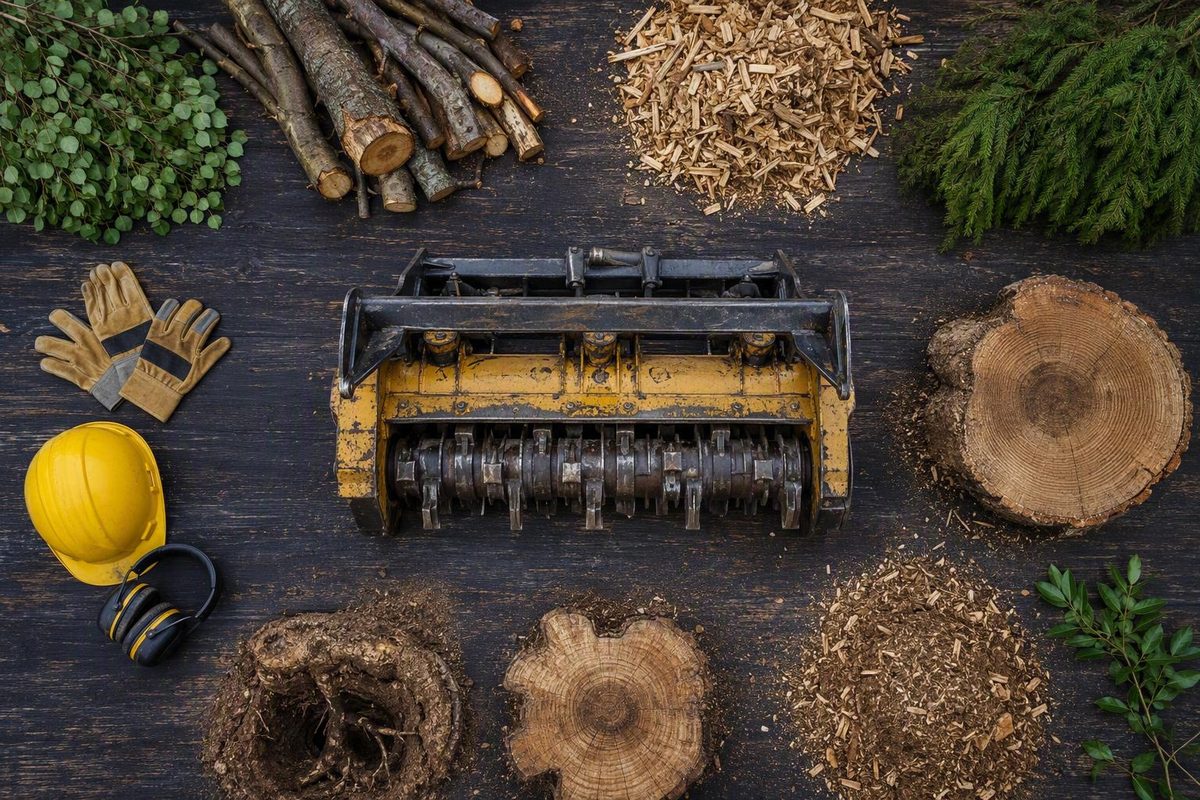
What Is a Masticator? Uses, Types and Limits
It can cut and process vegetation on-site, but suitability comes from matching the treatment goal, carrier, cutting head and worksite, not a diameter claim.
Read Guide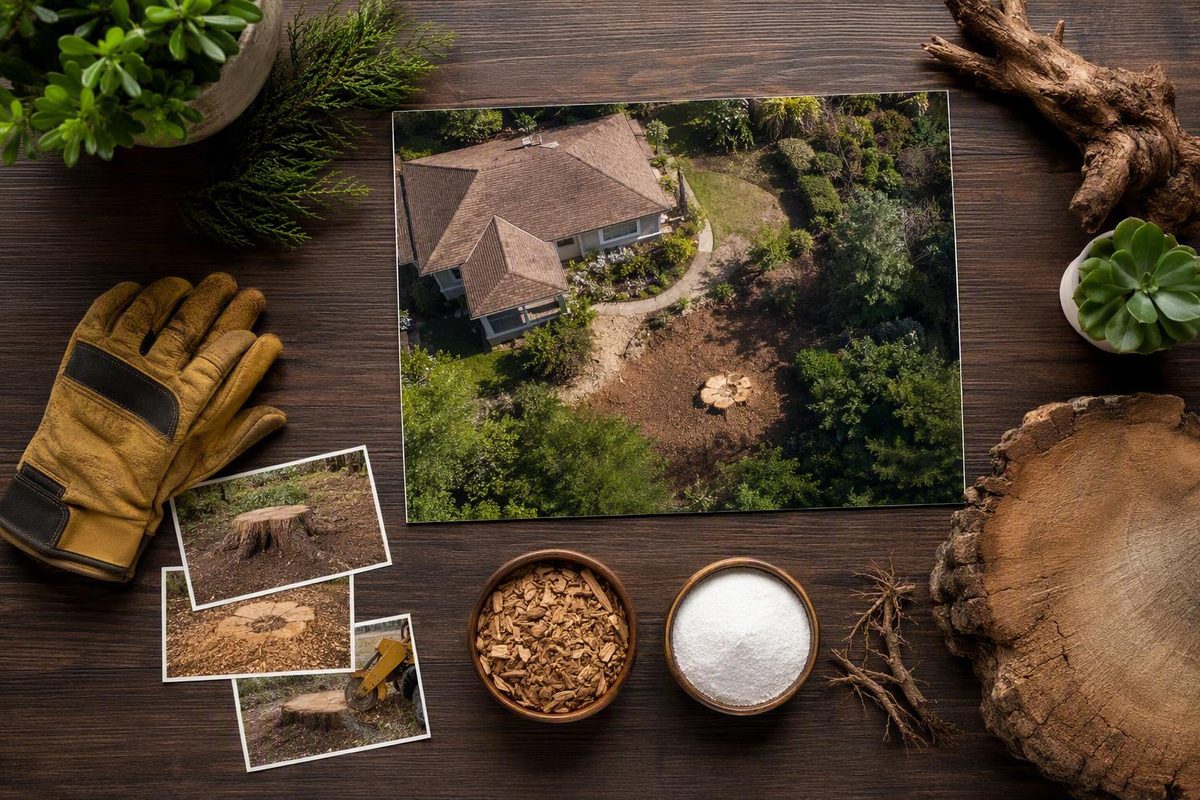
Does Zone 0 Require Stump Removal? What California's Rule Says
California's Zone 0 rule never names stumps, but its dead-wood and debris language reaches most of them. What counts, the phase-in dates, and why grinding wins.
Read Guide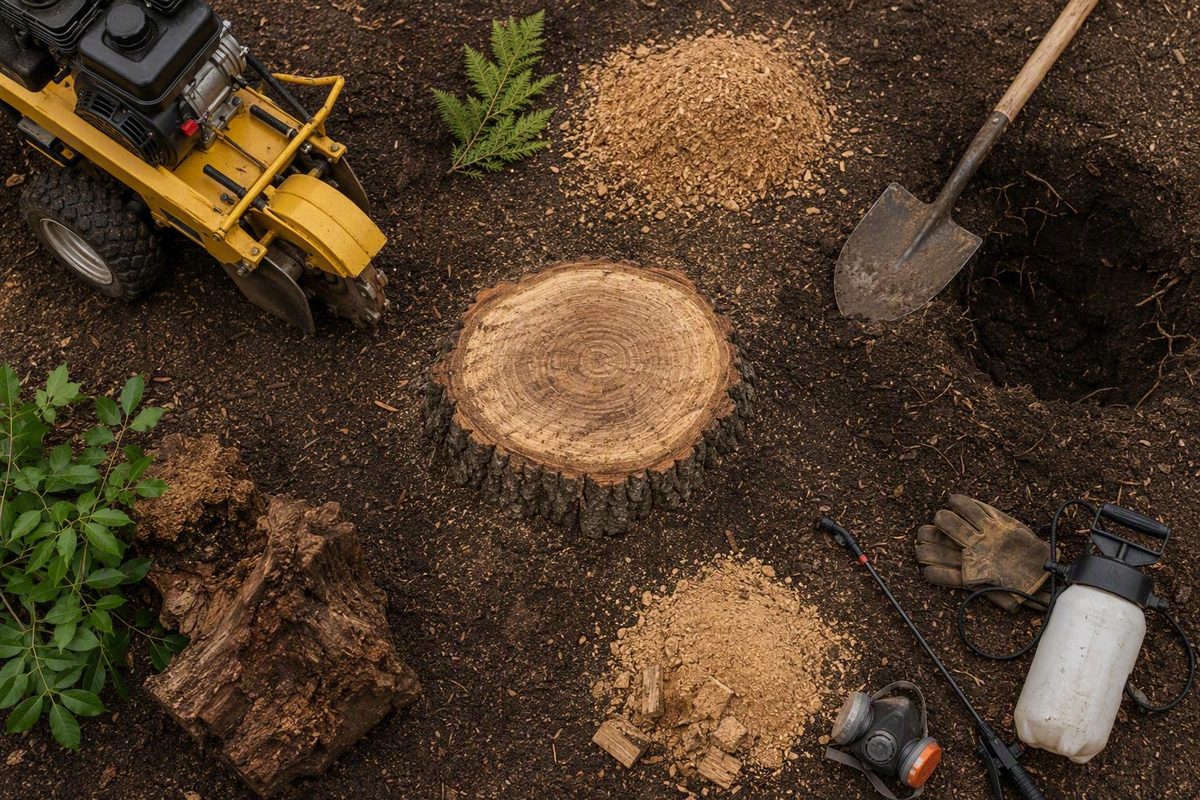
Stump Removal During a Burn Ban: Legal Methods That Still Work
Washington's statewide ban and local orders like Redmond's rule out stump fires. Compare grinding, digging, decay and chemical removal by size and urgency.
Read Guide
Girdling a Tree: Effects, Recovery & Risks
Green leaves may conceal delayed decline. See what determines recovery, how to stop avoidable pressure, and when an arborist should assess the risk.
Read Guide
Tree Root Removal: Which Method to Use Safely
Determine whether to cut, grind or wait for decay, with utility checks, living-tree stop signs and regrowth control for suckering roots.
Read Guide
Is It Cheaper to Treat or Remove an Ash Tree?
Compare recurring ash injections with removal, stump grinding, and replacement costs—and see when tree condition makes removal the only sound choice.
Read Guide
Amish Trick to Remove a Tree Stump: Claim Check
A claim-by-claim test of the viral saltpeter stump method, with realistic decay times, burn hazards, grinder tradeoffs, and a decision tool.
Read Guide
Does New Roundup Kill Tree Stumps? Formula Guide
Identify which Roundup formulas can control a fresh-cut stump, which cannot, and when triclopyr, diquat, or glyphosate fits the product label.
Read GuideNo Guides Found
Try “grinding”, “roots”, or “soil”, or choose another topic.
39 Guides