
Lawn & Soil After
Lawn & Soil After | Lawn, Soil and Yard Guides
Topsoil can level low areas, but it is not a universal one-pass fix. Get project-specific depths, mixes and quantities for sod, mulch and more.
What Topsoil to Use for Lawn Leveling
Use topsoil when the repair needs depth and sand-heavy mixes when it needs surface refinement, instead of choosing one material for every low spot.
Read Guide
How Much a Sod Pallet Weighs and What Changes It
Plan around 2,000-3,000 pounds for many full pallets, then confirm the supplier's exact day-of weight and coverage before pickup.
Read Guide
How Much a Yard of Mulch Weighs by Type and Moisture
Most dry wood mulch weighs 400-800 lb per yard and often 800-1,000+ lb wet. Use the wet figure when checking your pickup's payload.
Read Guide
How Much Does a Yard of Soil Cost by Type?
Bulk topsoil commonly runs about $10–$55 per cubic yard before delivery. Screening, amendments, seller and location can change the final total.
Read Guide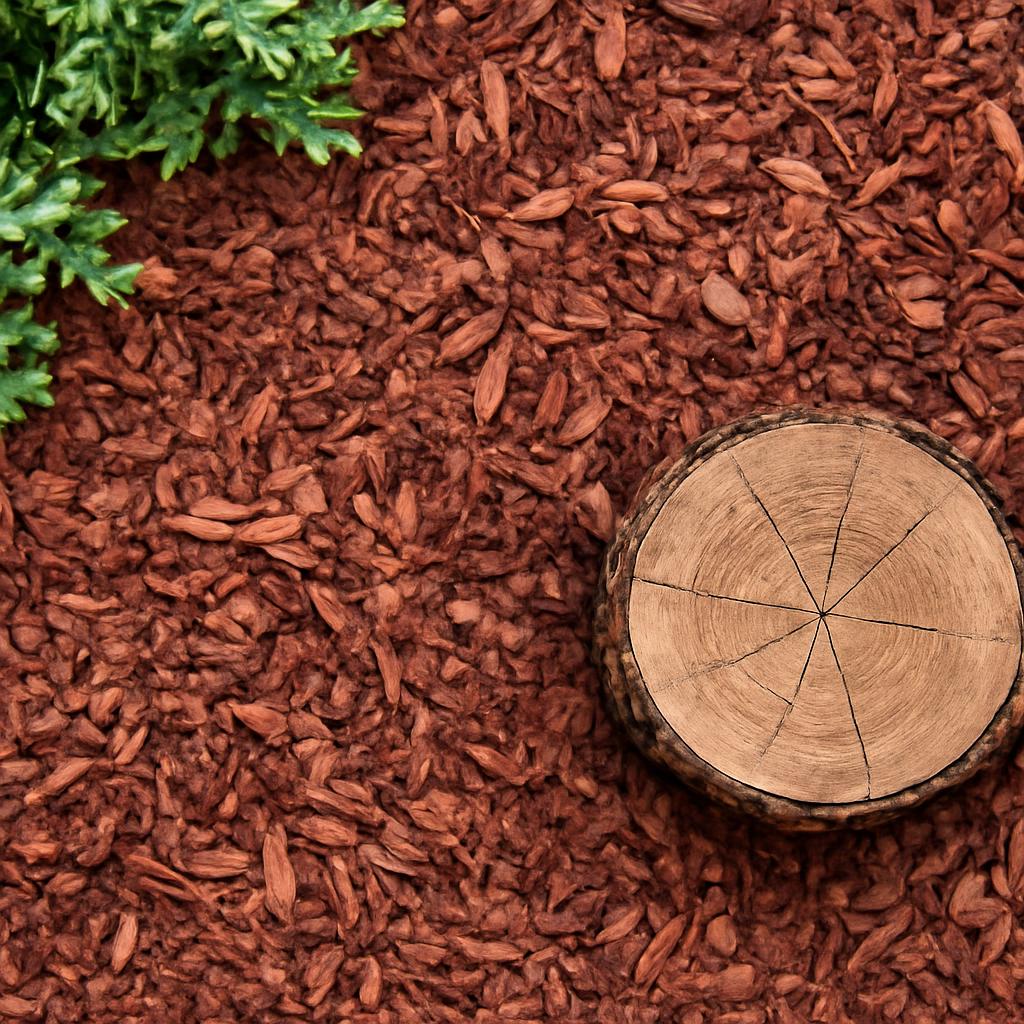
Shredded Bark Mulch: Uses, Depth and Limits
Spread shredded bark 2 to 3 inches deep. Its fibrous texture suits slopes, but bark-and-wood blends may look and break down differently from pure bark.
Read Guide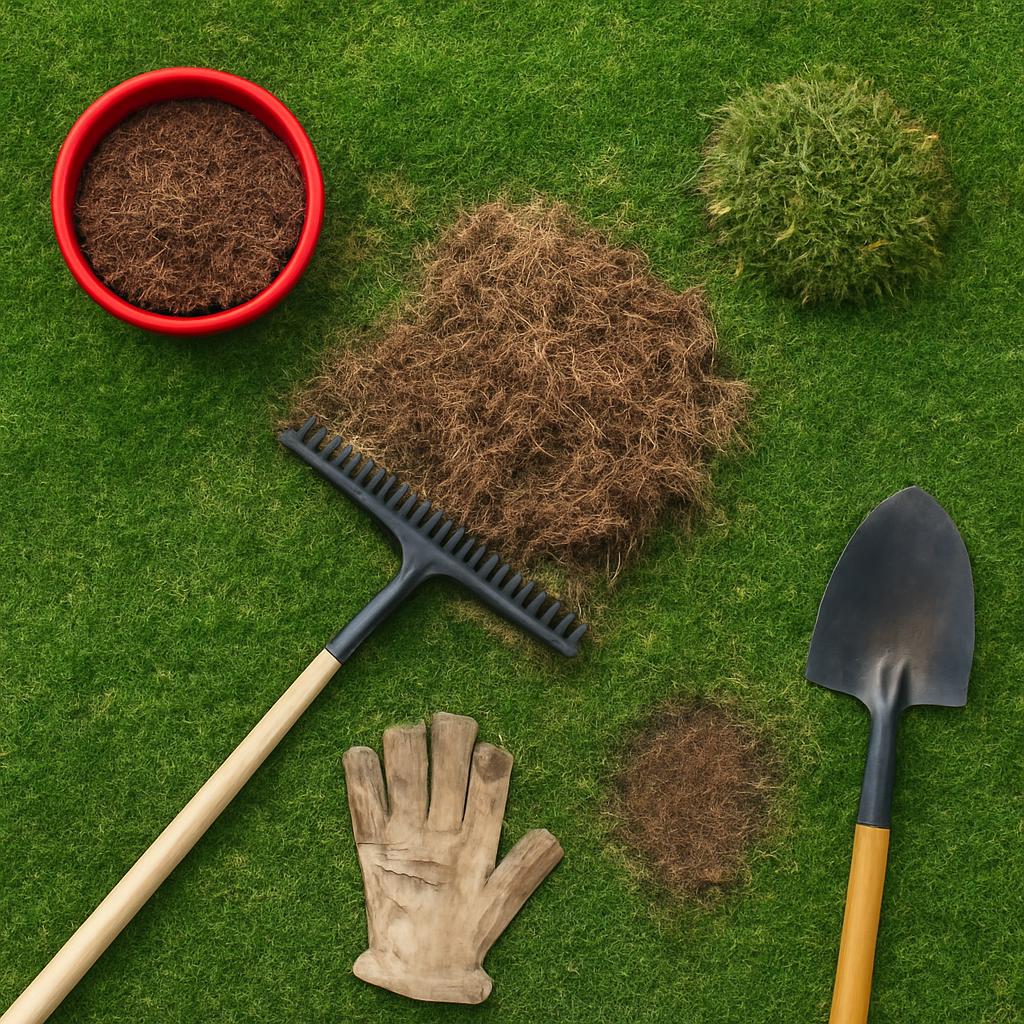
When to Dethatch a Lawn by Grass Type
Cool-season lawns favor late summer to early fall; warm-season lawns wait until after green-up. Confirm excess thatch with a wedge test before proceeding.
Read Guide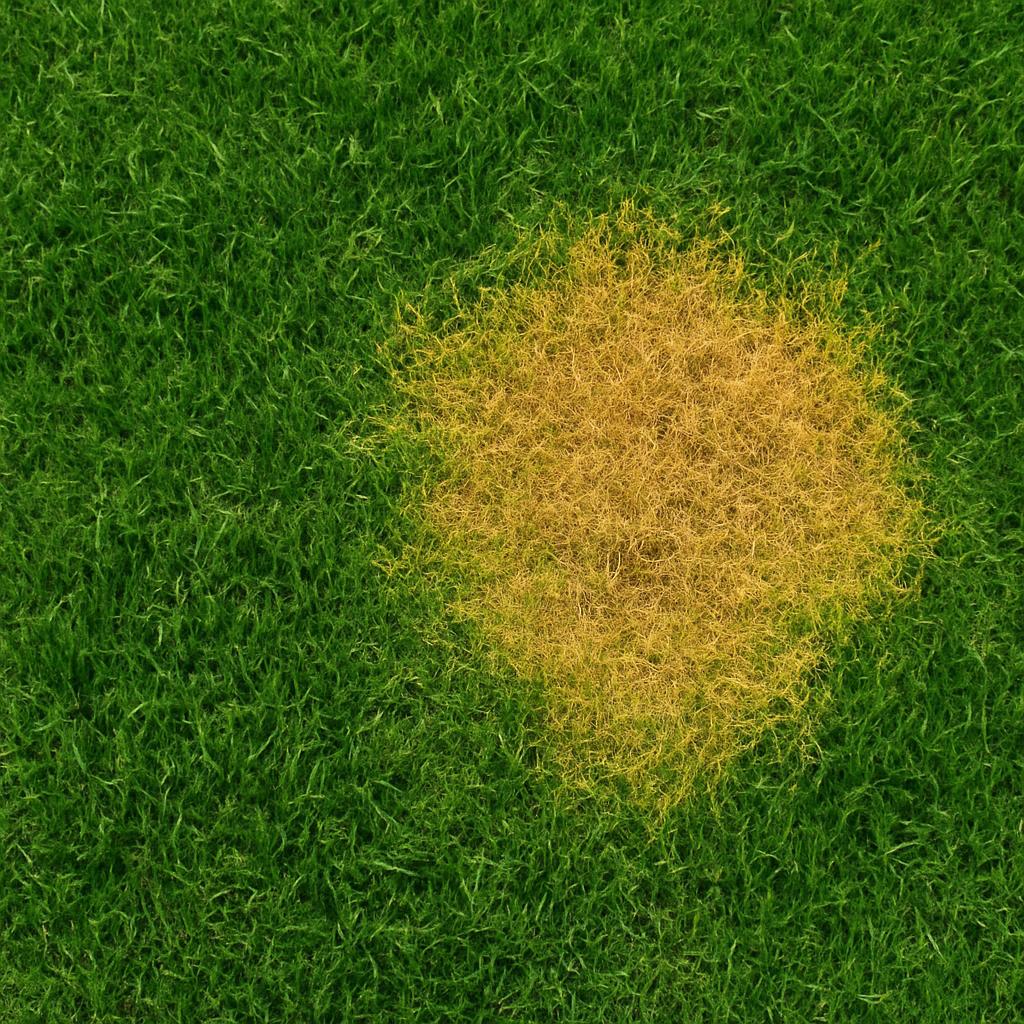
Diagnose Yellow Grass Before Treating Your Lawn
A firm white or cream crown usually means the turf is alive. Use the patch pattern, soil moisture and root grip to choose the right fix.
Read Guide
9 Things to Know About 19-19-19 Fertilizer
Choose it only when a soil test or planting situation calls for nitrogen, phosphate and potash in roughly equal amounts, not because the bag looks balanced.
Read Guide
Cubic Yard of Dirt Coverage Table by Depth
At 3 inches deep, one yard covers about 108 sq. ft. Compare depths, then account for uneven spreading, settling and compaction when ordering.
Read Guide
How Long Weed Killer Takes to Work by Type and Result
The realistic window spans minutes for first visible leaf injury to several weeks for complete control, because those are different milestones.
Read Guide
Best Sand for Lawn Leveling by Repair Depth
Clean, screened masonry sand suits shallow smoothing during active growth. Deeper repairs call for soil or a soil-sand blend, with turf restoration where needed.
Read Guide
How Many Cubic Feet Are in a Yard of Mulch? Bag Sizes
A cubic yard is a standardized 27-cubic-foot volume, while a supplier-defined scoop can vary in capacity.
Read Guide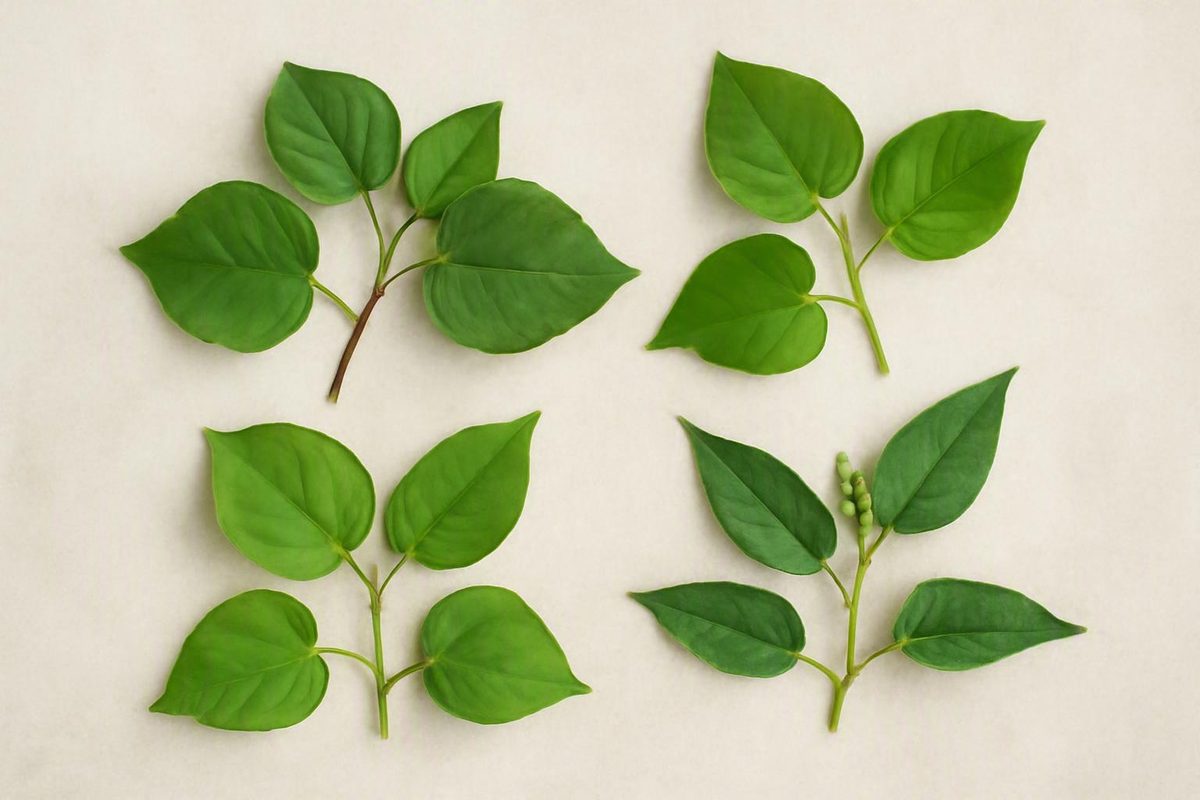
Which Plants Are Mistaken for Japanese Knotweed?
Japanese knotweed stands on self-supporting canes and never twines. Screen lookalikes by growth habit first, then check stems, leaves, flowers and dieback.
Read Guide
Topsoil vs Sand for Leveling a Yard
Screened topsoil suits shallow lawn repairs. Sand can make a blend easier to screed, but it will not fix drainage. Choose by depth, native soil and turf.
Read Guide
Concrete Coverage per Yard by Depth
At 4 inches, a yard covers 81 square feet in theory. That figure excludes spills, uneven excavation, form movement, consolidation and thickened areas.
Read Guide
How Much a Cubic Yard of Mulch Costs by Type
Many bulk mulch products in the retailer listings reviewed for this guide fall around $30–$55 per cubic yard before delivery.
Read Guide
How Many Bags of Mulch Equal a Yard? Counts by Volume
For a 2-cu.-ft. package, one yard is exactly 13.5 bags by volume, so buy 14 whole bags. The chart gives exact counts for other package sizes.
Read Guide
How to Care for Mums in Pots by Checking Soil
At about 90°F, move the pot into shade, then acclimate it gradually as you transfer it from shade into direct sun.
Read Guide
How Many Mulch Bags Make a Yard? By Bag Size
With 2-cu.-ft. bags, 13.5 equals a yard, so buy 14. One yard covers 108 sq. ft. at 3 inches deep; other bag sizes and depths change the project total.
Read Guide
Imported Topsoil vs Existing Soil for Sod: Which to Use
A 4-6-inch total workable root zone may use about 2 inches of added soil over good, loosened ground, but that is generally inadequate over hardpan.
Read Guide
Pallet of Sod Cost and What Changes It
Sod typically costs $110–$450 per pallet. Advertised prices are generally material only, so compare coverage, grass type, delivery and fees.
Read Guide
St. Augustine Grass Pallet Cost and What Changes It
Reviewed listings range from about $220 to $610 per pallet, but cited local Texas and Florida prices sit closer to $220–$305. It is not a national average.
Read Guide
Best Topsoil for Grass by Lawn Project and Depth
Screened loam is a reasonable first option for general lawn work. Choose by lawn project and application depth, not the product label.
Read Guide
Bags of Mulch per Pallet: Product-Specific Counts
Earthgro's 80-bag pallet holds 120 cubic feet, while Vigoro's 70-bag pallet holds 140. Check both bag count and cubic feet per bag before ordering.
Read Guide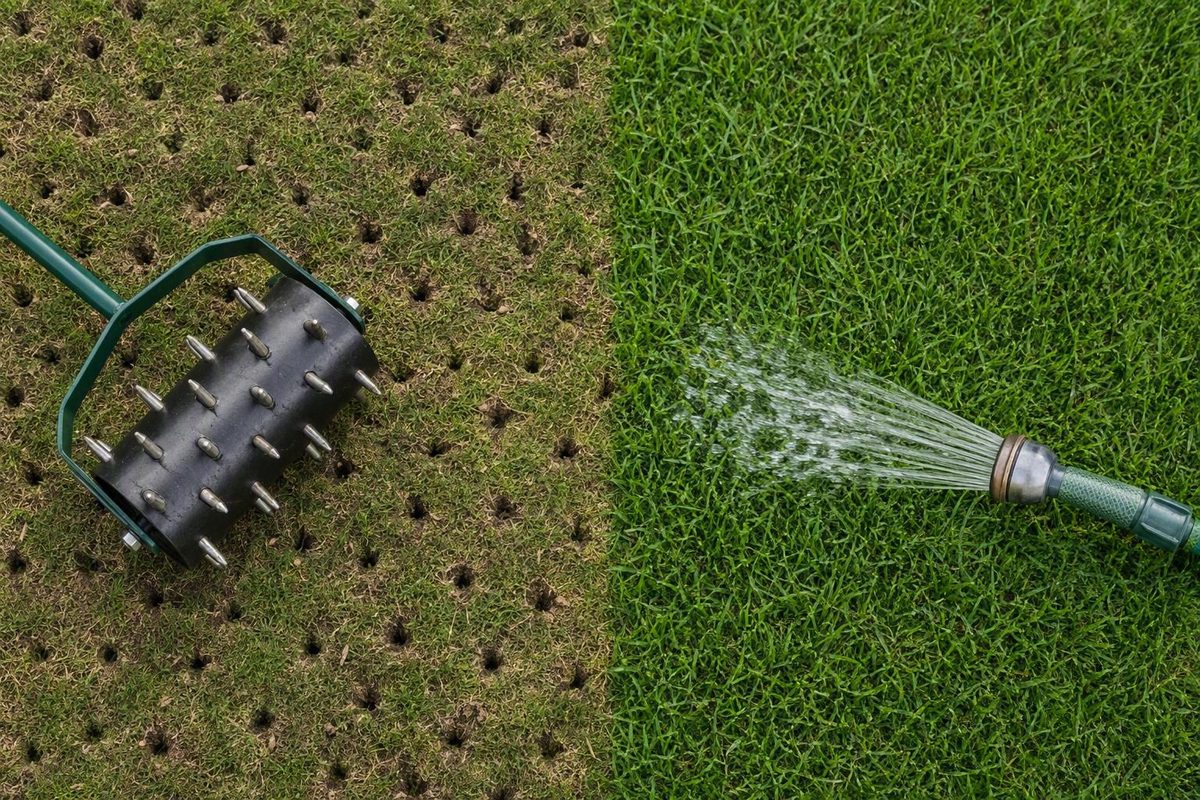
Liquid Aeration vs Core Aeration: Which Problem Each Fits
When water consistently gathers at the bottom of a slope, beside a foundation or over a known drainage route, neither treatment should come first.
Read Guide
How Much River Rock Do I Need? Area, Depth & Size
For 3-5-inch stone, use the supplier's square-feet-per-ton rate for the exact product and intended installation pattern.
Read GuideNo Guides Found
Try “grinding”, “roots”, or “soil”, or choose another topic.
26 Guides